Insight · 2 min read
The Most Careful Planners
Every year since 1989, Japan’s manufacturers have named the countries they find most promising. Their answer has changed.

In October 1982, Suzuki agreed to build a small, cheap car in India with a government-backed company called Maruti. The first Maruti 800 rolled out in December 1983.
Suzuki brought Japanese methods with it, and an Indian supplier industry grew up around the factory. Four decades later, India sells $24 billion of auto parts a year, and its biggest customer is the United States.
Source: Maruti Suzuki.
Japanese manufacturers have a reputation for patience. When they bet on a country, they bring their methods and their suppliers, and they stay. That makes it worth knowing where they’re betting now.
Since 1989, they’ve been asked the same question every year
Every year, Japan’s state development bank, JBIC, asks them which countries look most promising for their business over the next three years. Hundreds of companies answer.
Share of Japanese manufacturers naming each country
Share naming each country among the most promising for their business over the next three years. Source: JBIC FY2025 survey.
Neck and neck for a decade, then not
India and China, year by year
Share of responding companies naming each country as promising over the next three years, FY2013–FY2025. India’s 2017 share isn’t in JBIC’s published summary, so its line joins 2016 and 2018. Source: JBIC annual survey reports.
For ten years the two traded the lead. From 2022 the gap opened, and it has widened every year since.
In 2025, India was first by a distance
Most promising countries, 2025
Share of 338 responding Japanese manufacturers; each could name up to five countries. Source: JBIC FY2025 survey.
India was the only country named by more than 60% of the companies. The United States came second, with less than half that.
They come for the market and leave a supply base
Most of the companies gave the same main reason: how fast India’s own market will grow. It’s the same reason Suzuki had in 1982.
Plants built for a home market still need tool rooms, trained people, quality systems and local suppliers. Those stay, and over time they export. The supply base a buyer in Ohio or Stuttgart will choose from in three years is being built now.
The last time Japan’s planners bet on India, they left behind an industry that ships parts to America. They’re betting again.
See it up close
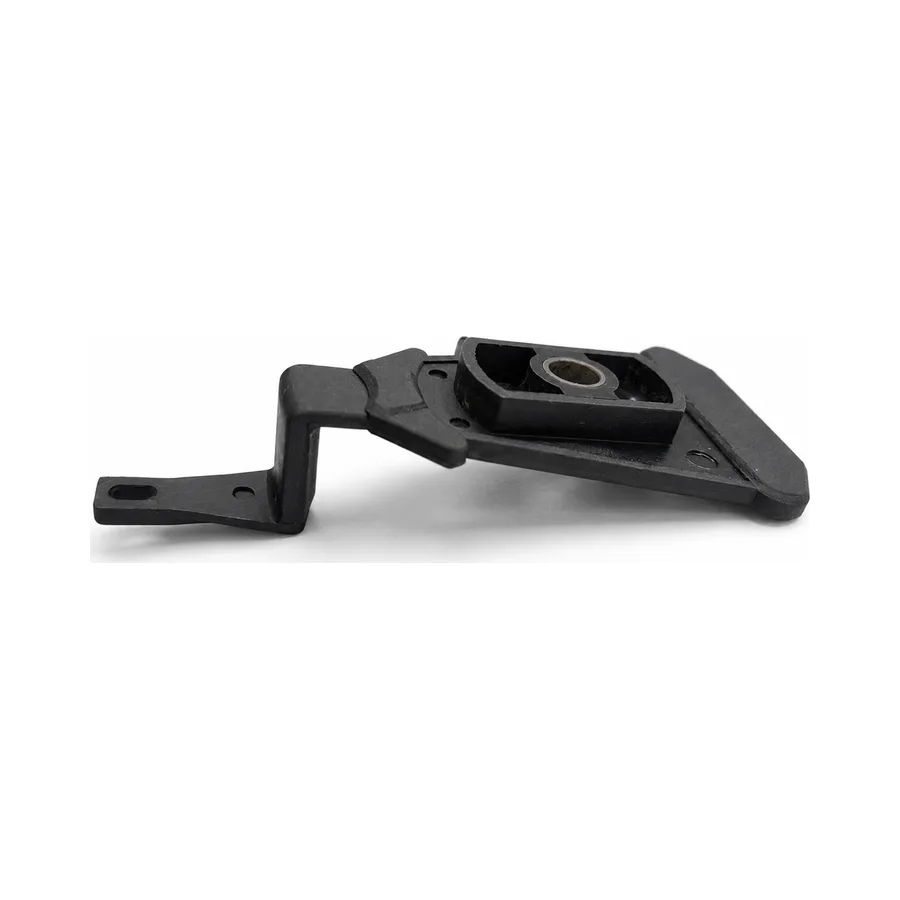
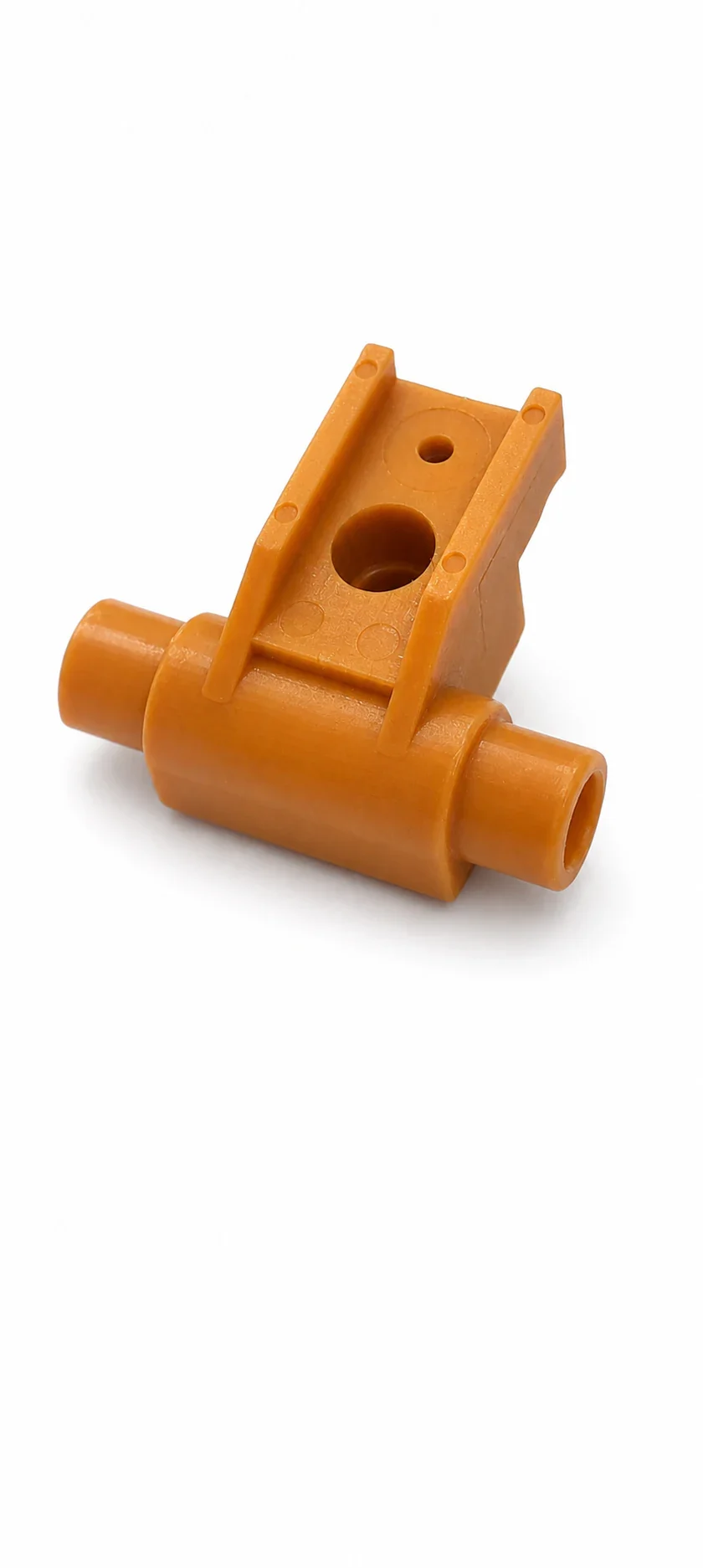
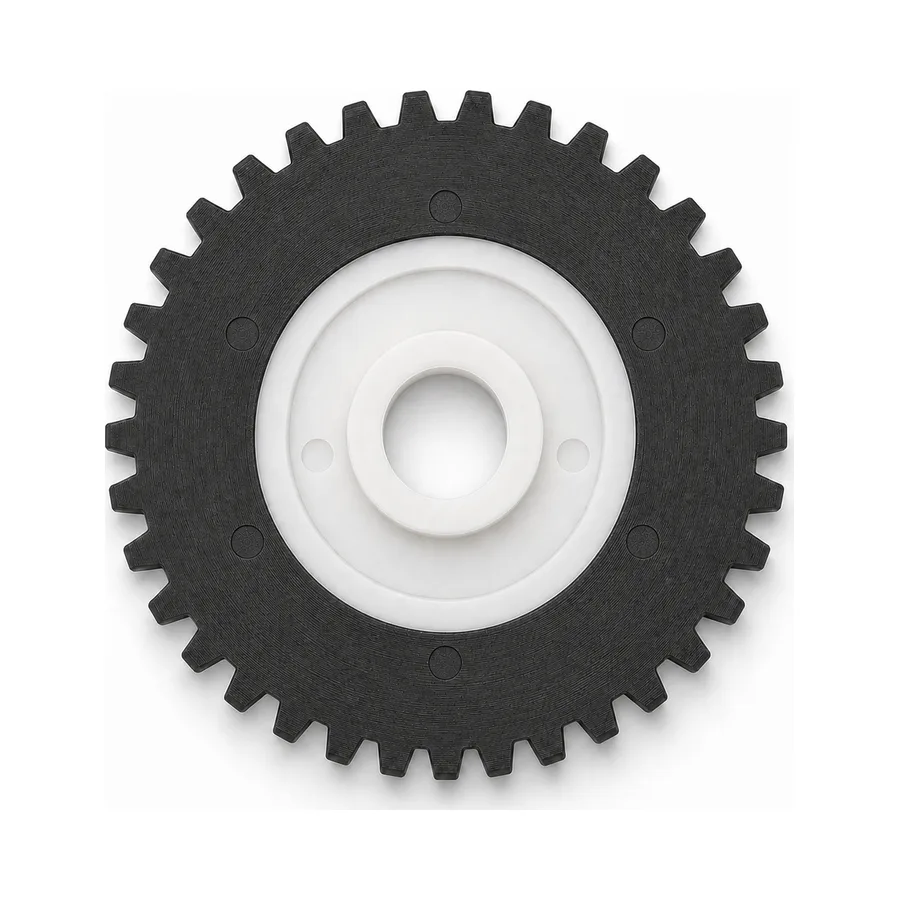
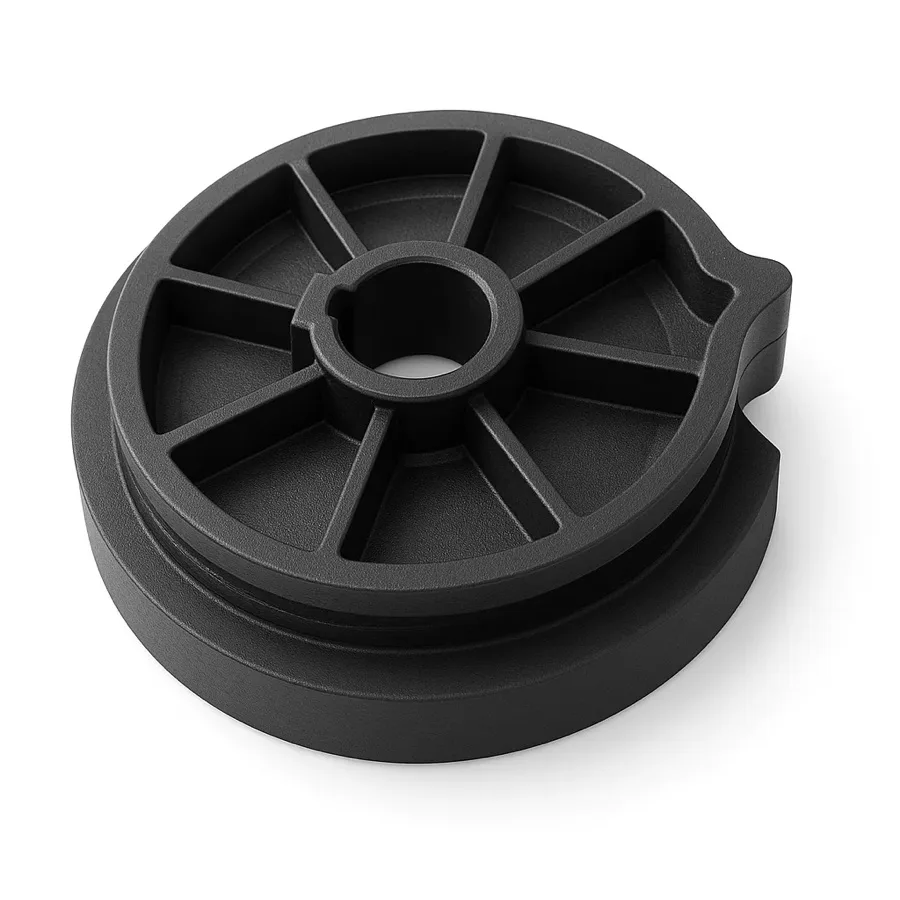
Send one part or drawing. We’ll show you what making it in India looks like, starting with the first conversation.
More insights